

- Article
- Philosophy
The philosopher's place in an algorithmic world
A commentary on Vincent C. Müller’s chapter Philosophy of AI, and on why questions about meaning, thinking, and ethics belong next to the data scientist’s work.
A commentary on Vincent C. Müller’s chapter Philosophy of AI, and on why questions about meaning, thinking, and ethics belong next to the data scientist’s work.
A 2024 study compared eight forecasting methods on ten years of prices for 14 commodities and found decision tree regressors and LSTMs the most dependable.
A 2025 study of 1,585 college students in Quezon Province trained a LightGBM model that predicts depressive tendencies from demographic data alone with 94 percent accuracy.
DiabeTest, a 2024 TENCON paper by Pulmano, Salvador, Guico, and Galicia, tests an Android app that looks for signs of type 2 diabetes in facial skin texture.
An explainer on quant trading based on Callum McDougall’s Quant Trading Guide, with a short Python example that plots moving averages and RSI for Apple stock.
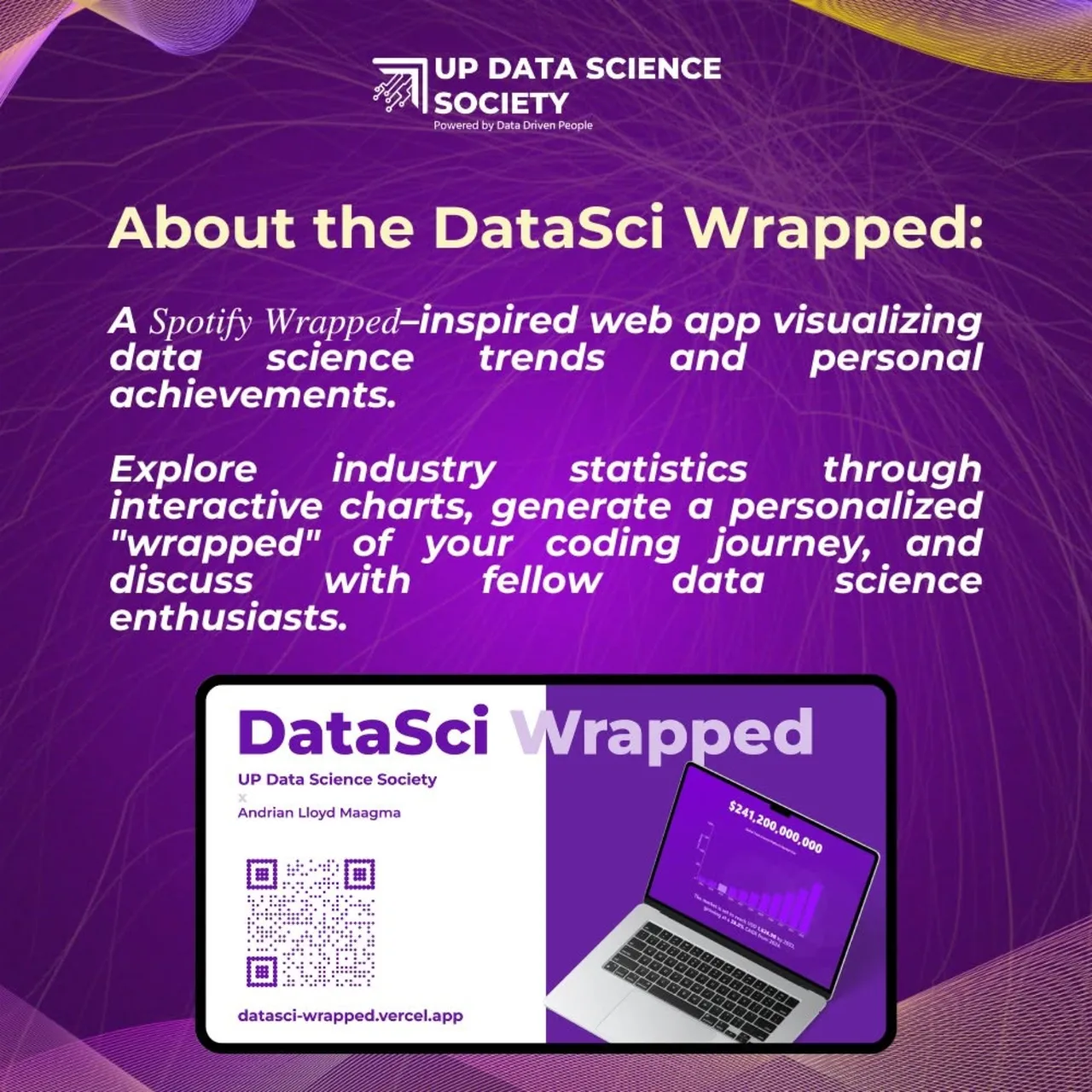
Andrian Maagma built a Spotify Wrapped-style web app that turns worldwide data science statistics into a scroll-through experience and generates a personal wrapped from your coding activity.
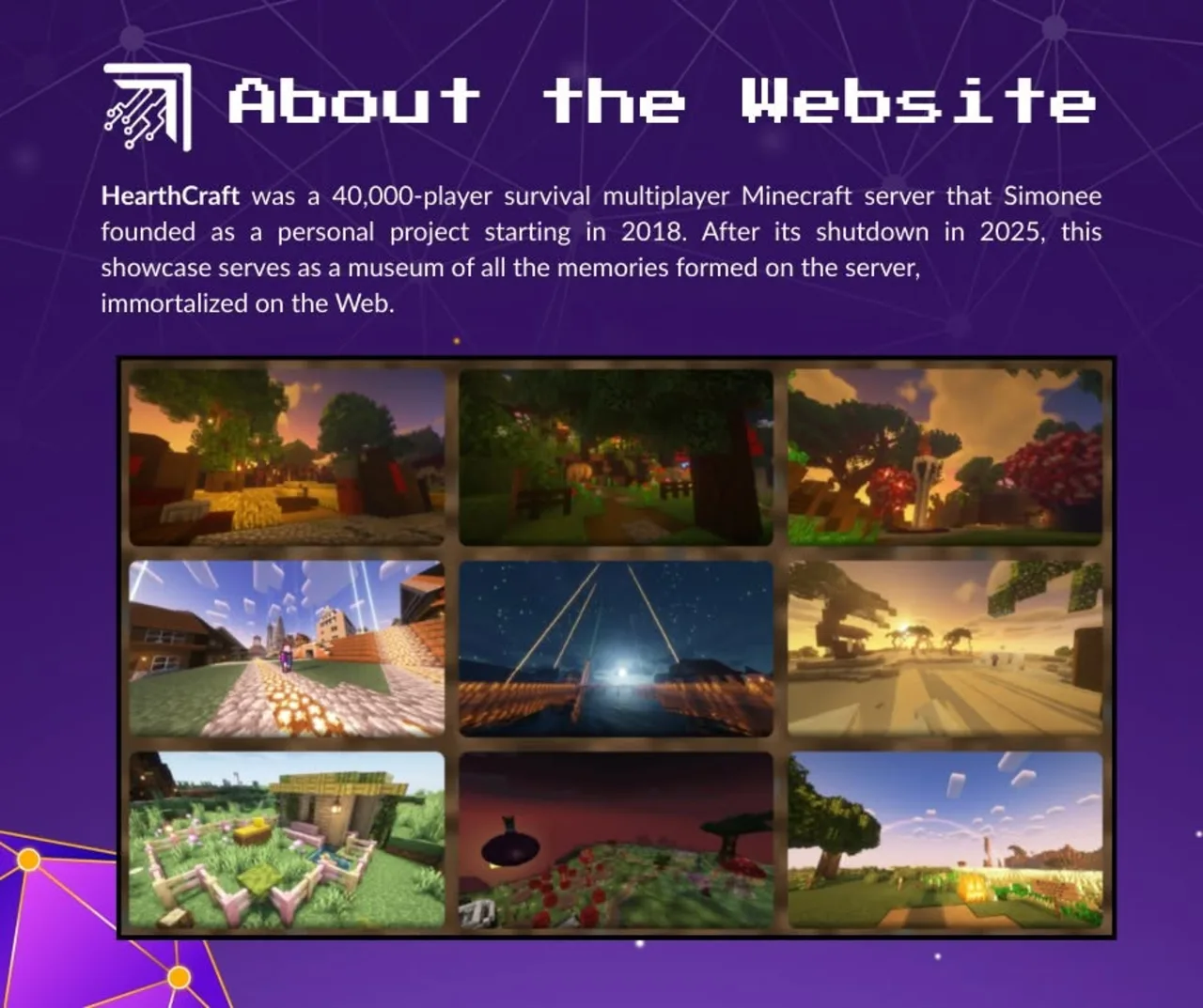
Simonee Mariquit built a website that preserves the history of HearthCraft, a survival multiplayer server that ran from 2018 until it shut down in 2025.
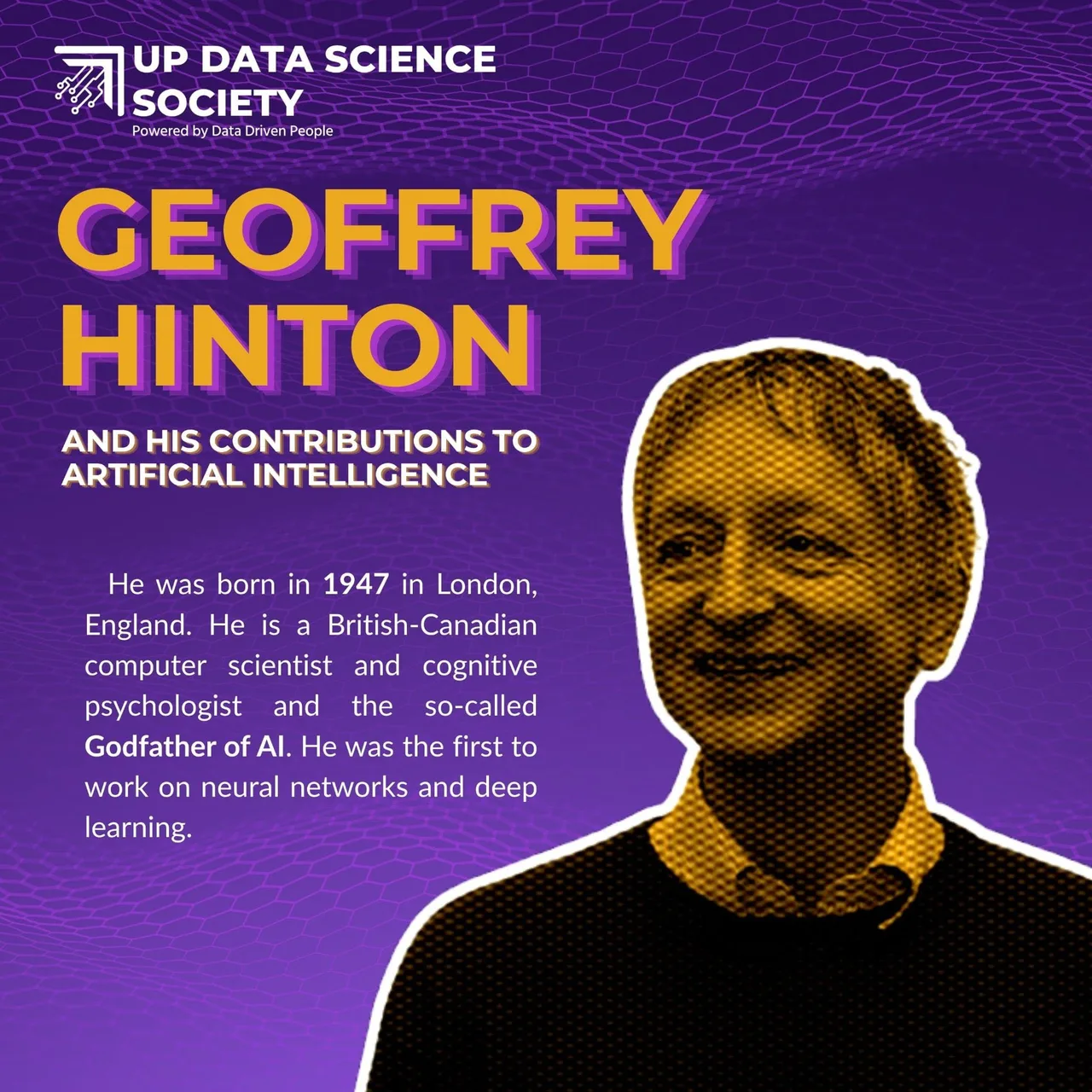
An explainer on Geoffrey Hinton, whose work on neural networks and backpropagation made modern AI possible, and who has spent recent years warning about where it is going.
A study by Li, Yang, Islam, and Ren estimates that training GPT-3 consumed about 700,000 liters of freshwater and that a short ChatGPT session uses about a 500 mL bottle.
A 2023 study of 152,783 SimSimi chats found that Eastern and Western users express sadness differently, and that a classifier can sort those chats into emotional topics.
A 2024 review surveys how machine learning and deep learning are being used to detect and manage depression, bipolar disorder, and schizophrenia.
A 2024 review of how predictive analytics, open data, and automated auditing can make public resource allocation fairer, and what governments need in place first.
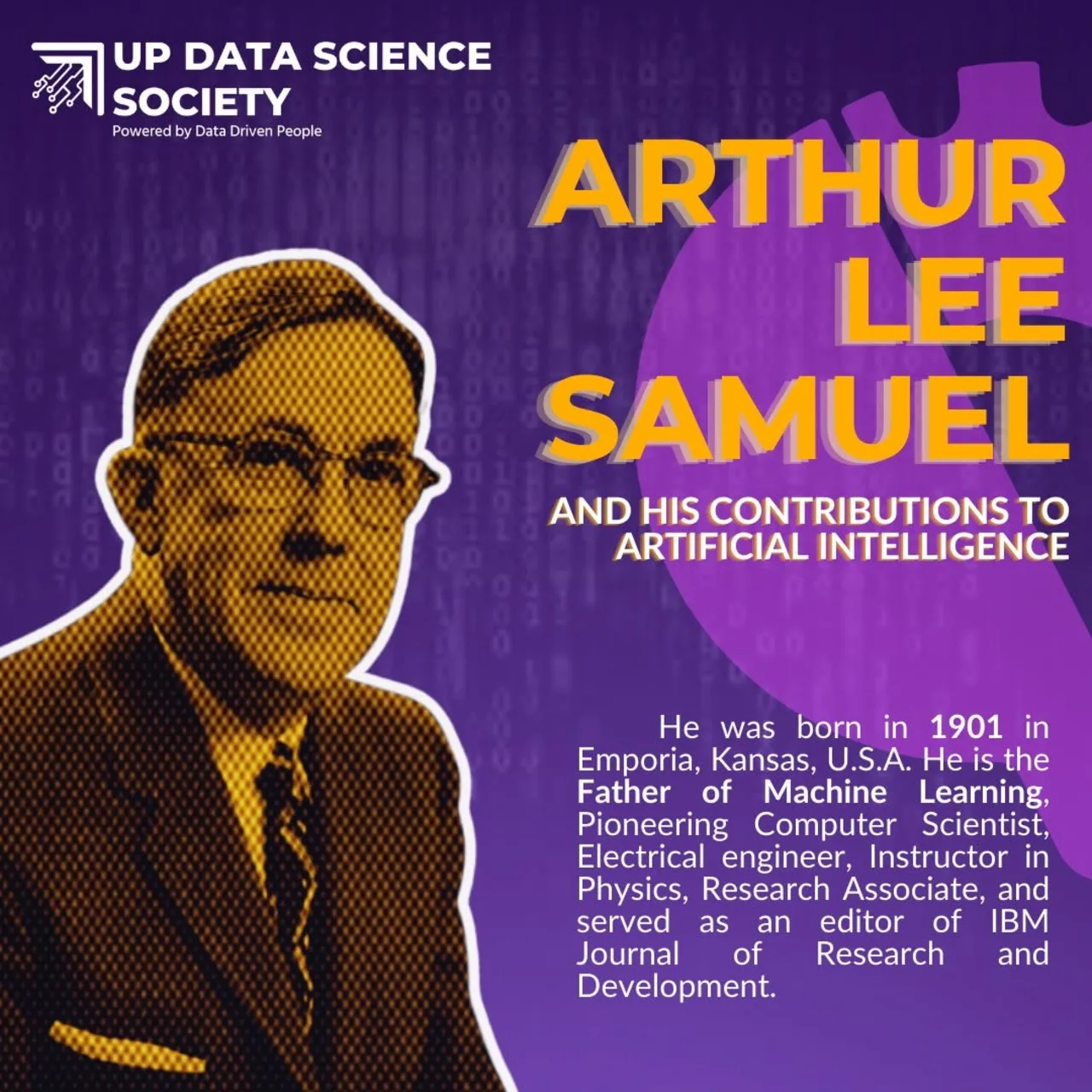
The engineer who taught an IBM 701 to play checkers better than he could, and gave the field its name.
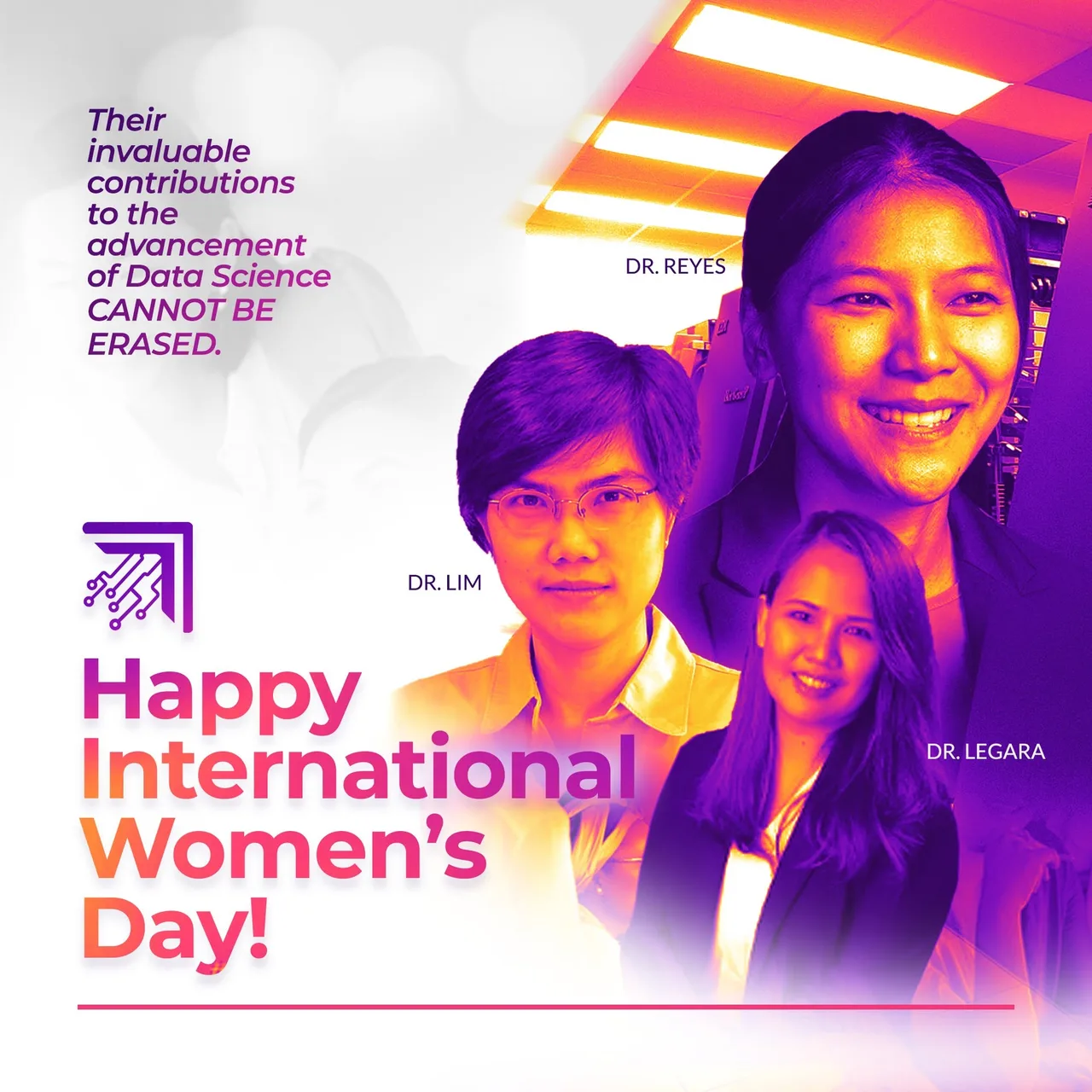
On International Women’s Day 2025, the society honored women in data science and objected to the removal of Dr. Reinabelle Reyes from a physics event poster.
Booz Allen Hamilton and the nonprofit Polaris used a Naive Bayes classifier on business names to grow a hand-built map of 35 suspected trafficking fronts to 900.
A beginner’s roadmap that starts where the UP Data Science Society Infoseries did, with variables and measures of central tendency, and points to free resources for each stage after that.
A 2023 study built its own mobile shooter, collected play data from real users, and trained models to predict Big Five traits from it.
A plain introduction to machine learning, based on IBM’s explainer on what the term means and how a model improves.
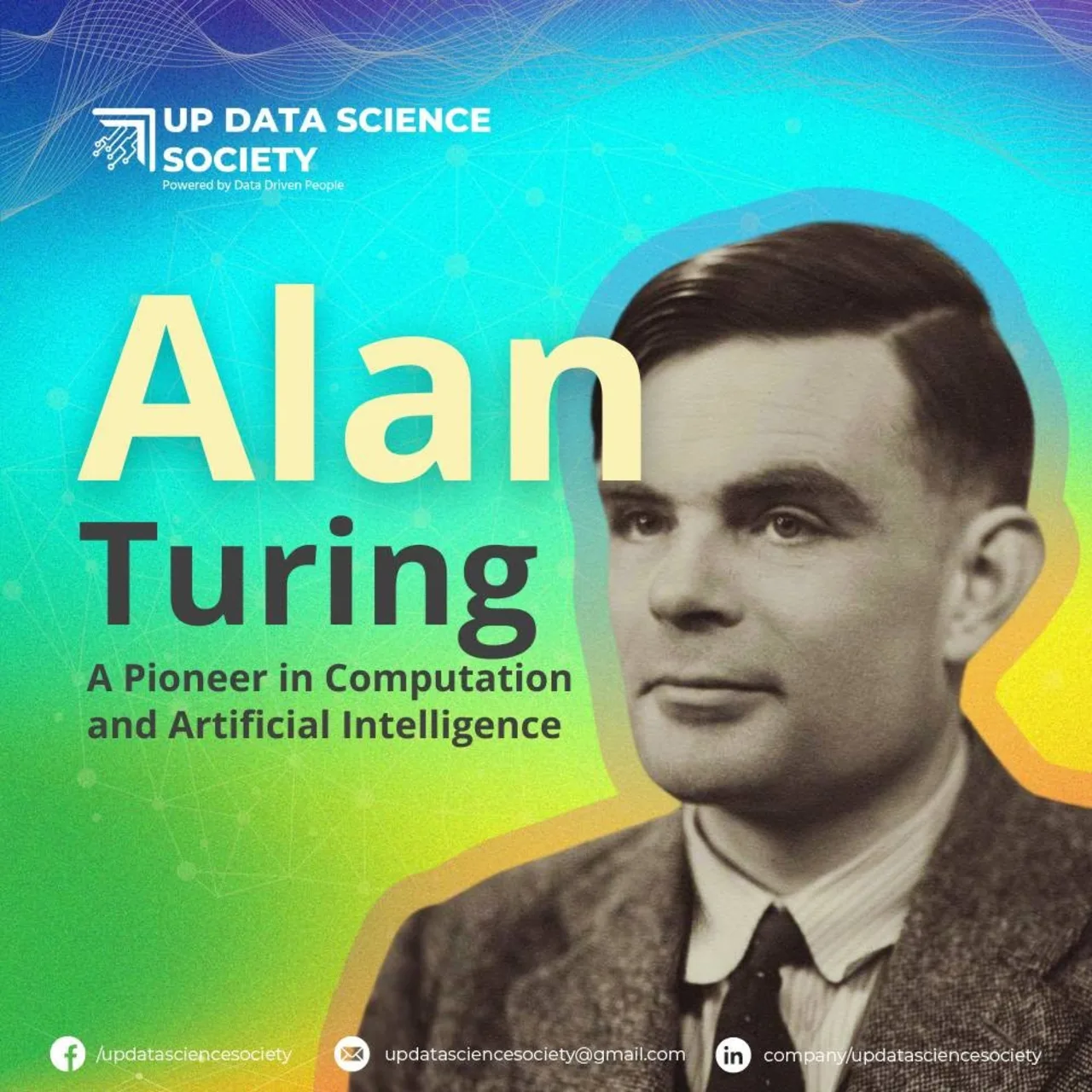
For Pride Month 2024, the society looked back on Alan Turing, whose work on computation, the Turing test, and codebreaking underpins modern data science.
Researchers in Surabaya combined ECG and EMG readings with a fatigue questionnaire and trained classifiers to estimate how well a person slept.

What a geographic information system is made of, who provides GIS services in the Philippines, and where the technology is already used.

CUBIT-Det is an open dataset of more than 5,500 high-resolution images of cracks, spalling, and moisture, collected by unmanned vehicles and benchmarked against more than 25 detection models.

A UP study modeled the roads and sea routes of the Visayas as a network and found that damaging just 1 percent of it cuts off 30 town centers and doubles relief delivery times elsewhere.
A 2023 paper compares seven tree-based algorithms on the task of predicting a reader’s favorite books from a library catalog.
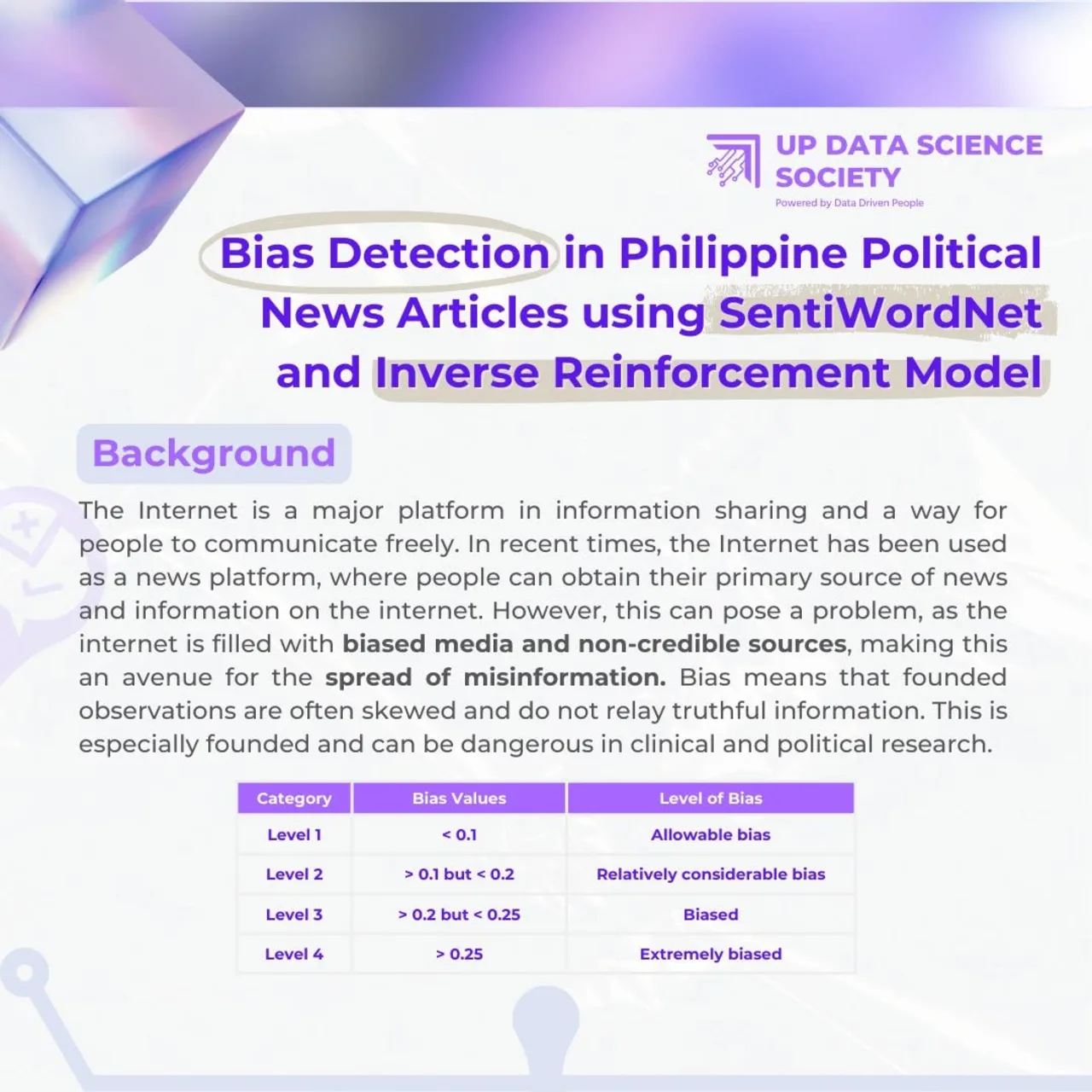
A University of San Carlos study scored political articles from five Philippine outlets for sentiment and used an inverse reinforcement model to flag bias.

The Philippines is often ranked a top marine plastic polluter on estimates rather than measurements; PlastiCount Pilipinas is the first open national database that collects what has actually been counted.
A 2022 study in Gondwana Research finds that financial development raises the ecological footprint of emerging countries, while human capital and strong institutions pull it down.
A ConvLSTM forecasts sea surface temperature around a Taiwanese marine park at over 98 percent accuracy, and a random forest tells which typhoons will cool the water enough to spare the reefs.
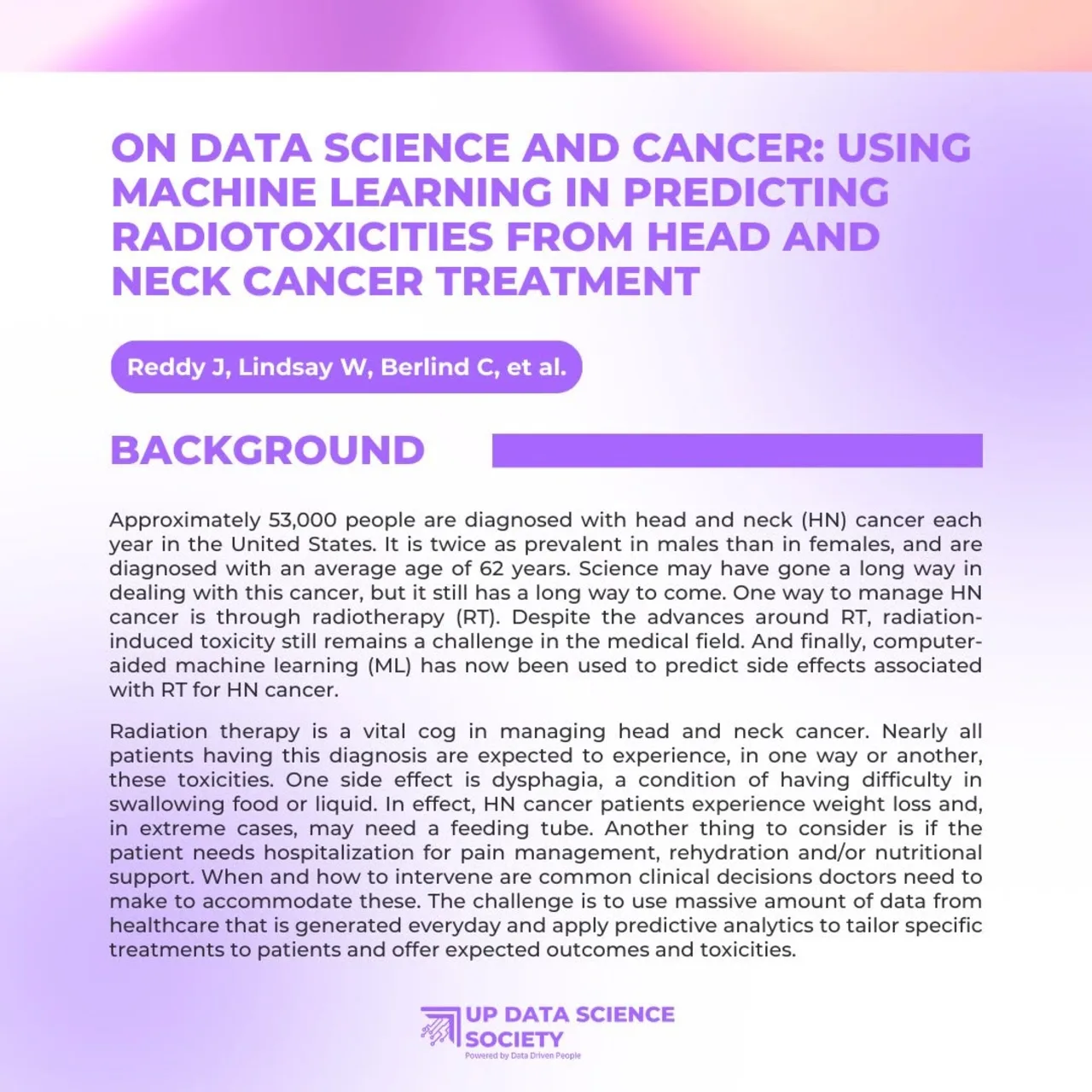
MD Anderson researchers trained models on 2,121 courses of head and neck radiation therapy to predict weight loss and feeding tube placement with clinically useful accuracy.
A Duke University method uses beam search and a “star ray” rounding step to generate a pool of sparse integer risk scores from data, beating RiskSLIM on accuracy and runtime.

Natural language processing on 350,000 articles from January to August 2020 shows health coverage dominating the first weeks of COVID-19, with economic stories rising as case growth slowed.
Feature selection and classifiers on a 2,119-person survey point to self-rated health, pre-existing conditions, age, time at home, and social media use as predictors of pandemic mental health outcomes.

Classifying 474 Cebu City posts with the keywords “fire” and “sunog,” researchers found social media tracks high-severity fires and correlates 72.8 percent with official Bureau of Fire Protection records.
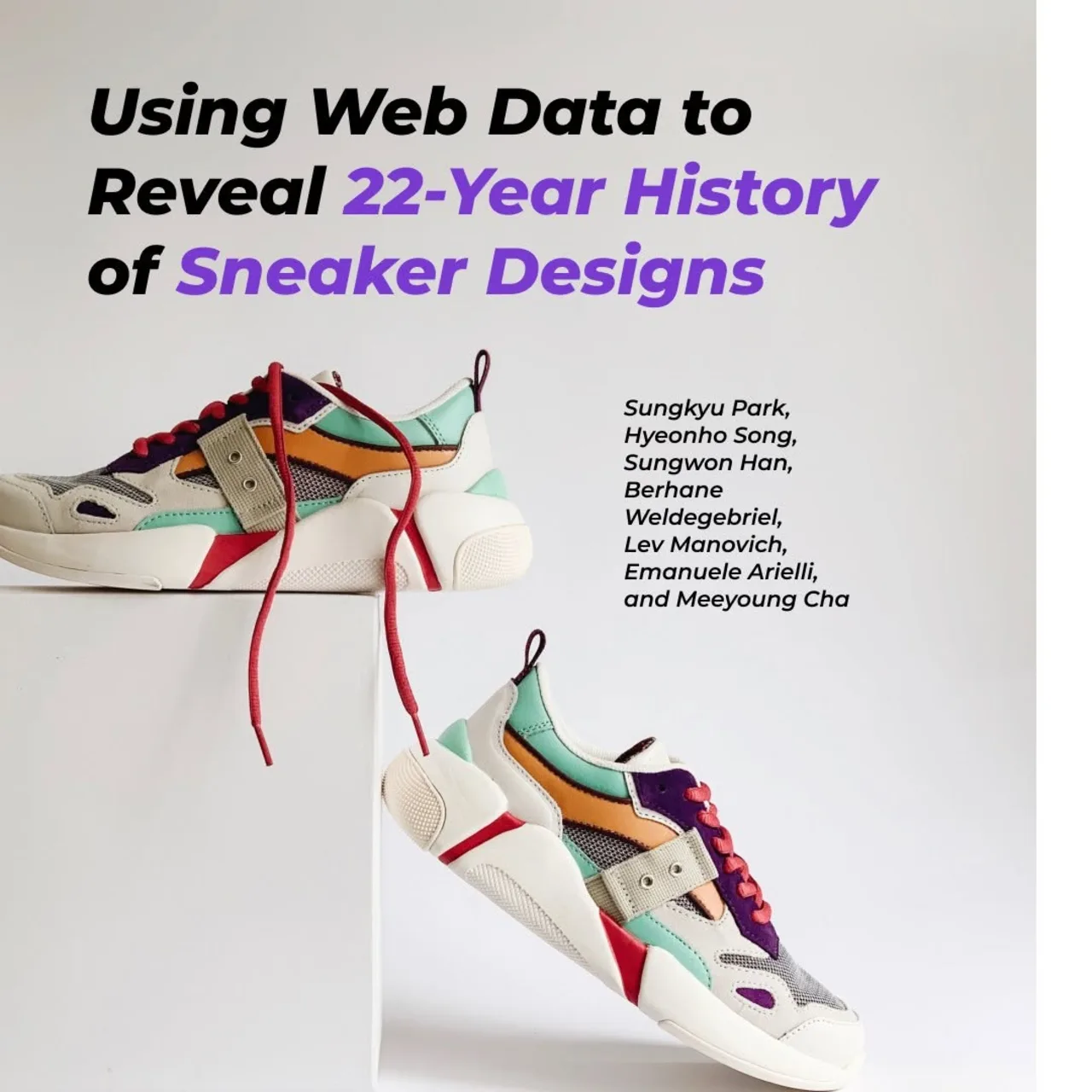
Embeddings of 23,492 StockX sneaker images show brands converging on color and pastel tones since 2015 while staying distinct in shape.
A deep neural network predicted ranked League of Legends outcomes with 75 percent accuracy using only how experienced each player was on the champion they locked in.
A corpus-assisted discourse analysis of Genshin Impact quest dialogue finds men described through physical action and confidence, women through work, rank, and domestic ties.

Three years of Metro Manila crash records show pedestrian crashes cluster on bad road surfaces and busy land use, and turn fatal with elderly victims, heavy vehicles, and late-night hours.
With no agreed definition of long COVID, Pfaff, Girvin, and colleagues trained models on electronic health records to find likely patients, reaching an AUROC of 0.91.
Using a corpus of 22,458 Philippine news articles, Fernandez and Devaraj found that fake news has wordier headlines and fewer sentences, and can be classified from the headline alone.
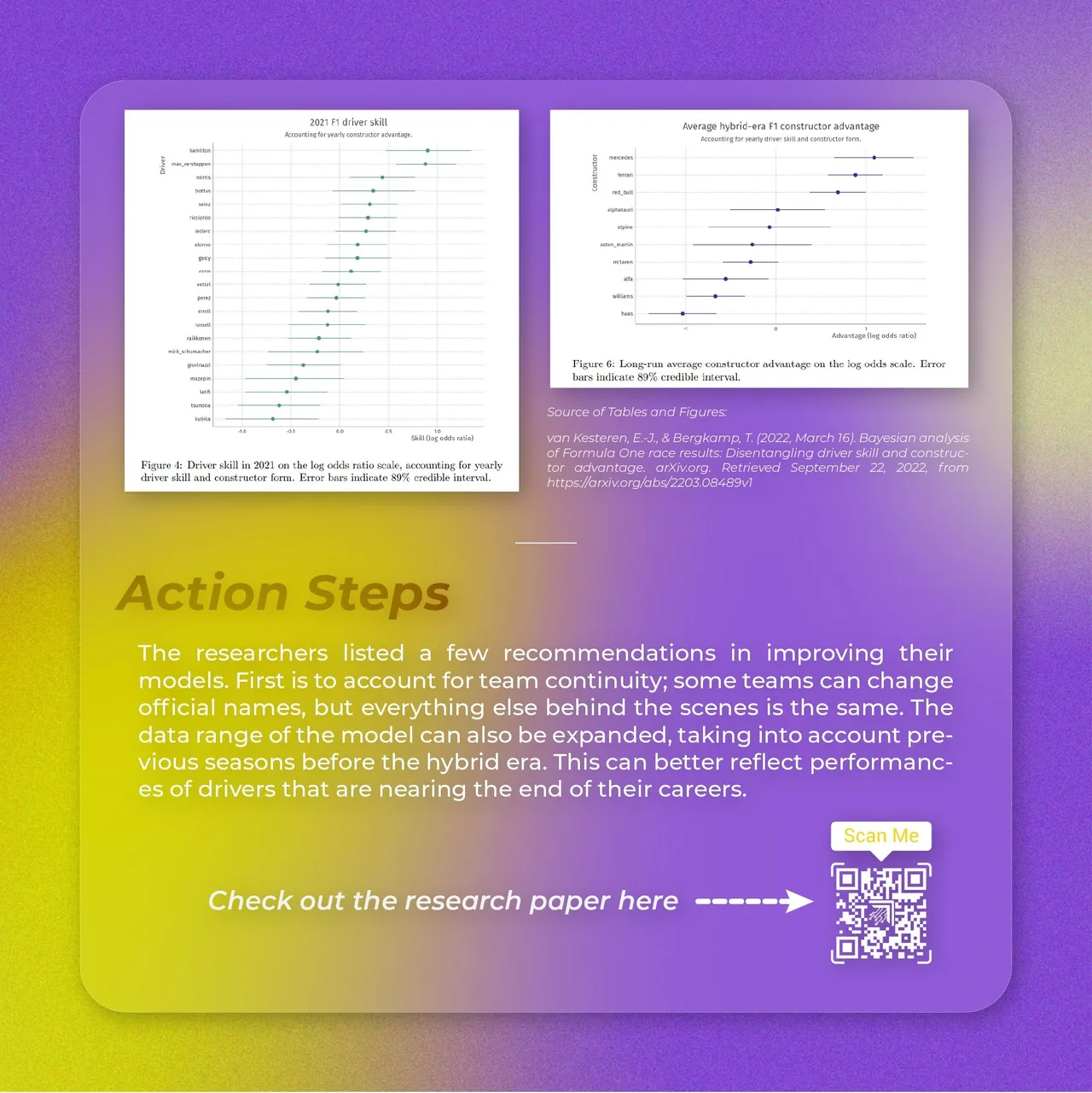
A Bayesian multilevel model of 2014 to 2021 race results separates driver skill from constructor advantage, and finds the car matters more.

DALL-E 2 chains CLIP, which links words to images, with a diffusion model that draws the image; human raters preferred its output over the earlier GLIDE model.
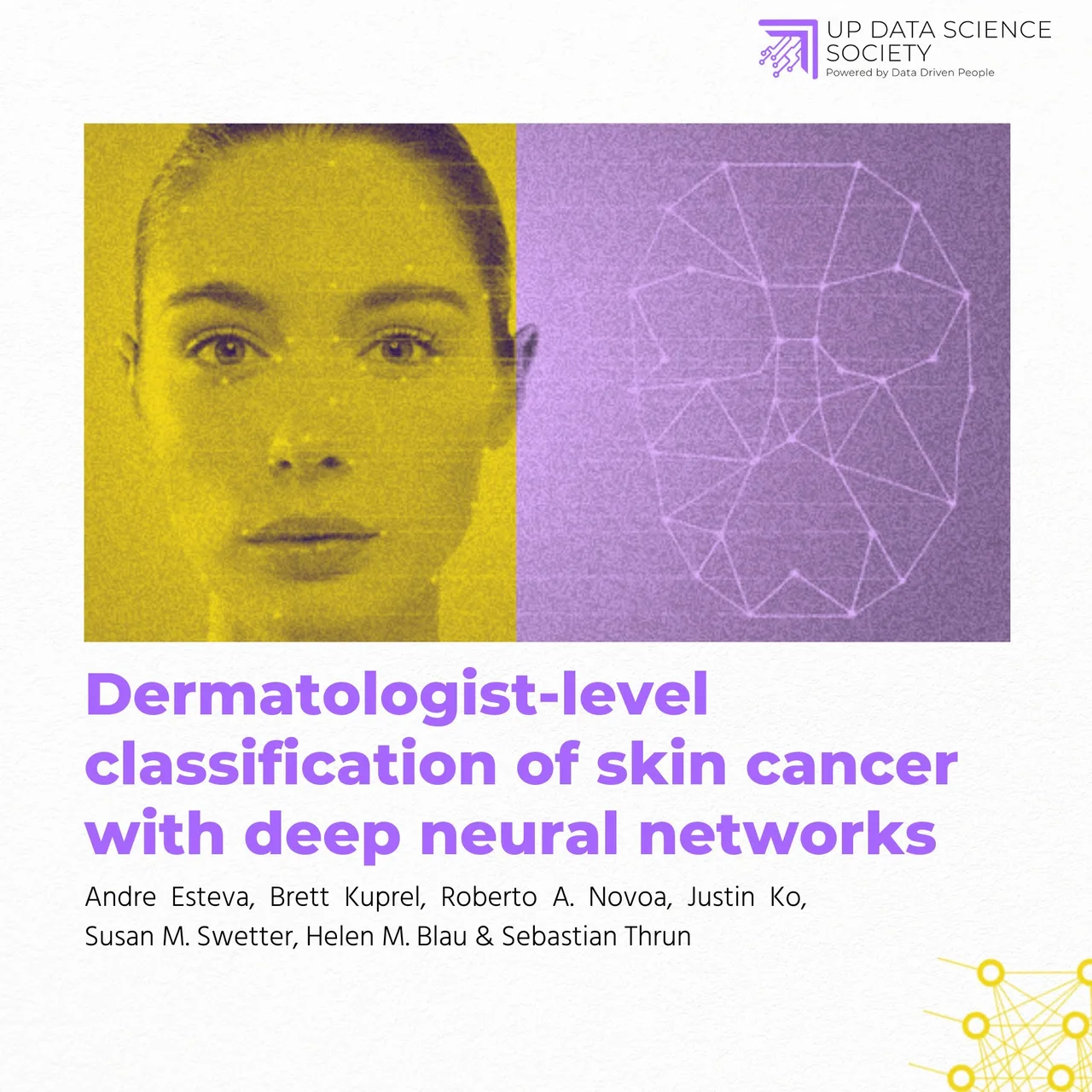
A convolutional neural network trained on 129,450 clinical images matched board-certified dermatologists at telling skin lesions apart, and could one day run on a phone.

A 2022 study trains classifiers to predict overreaction days in Bitcoin, Ethereum, and Litecoin, and finds they earn more per trade than hand-written momentum rules.
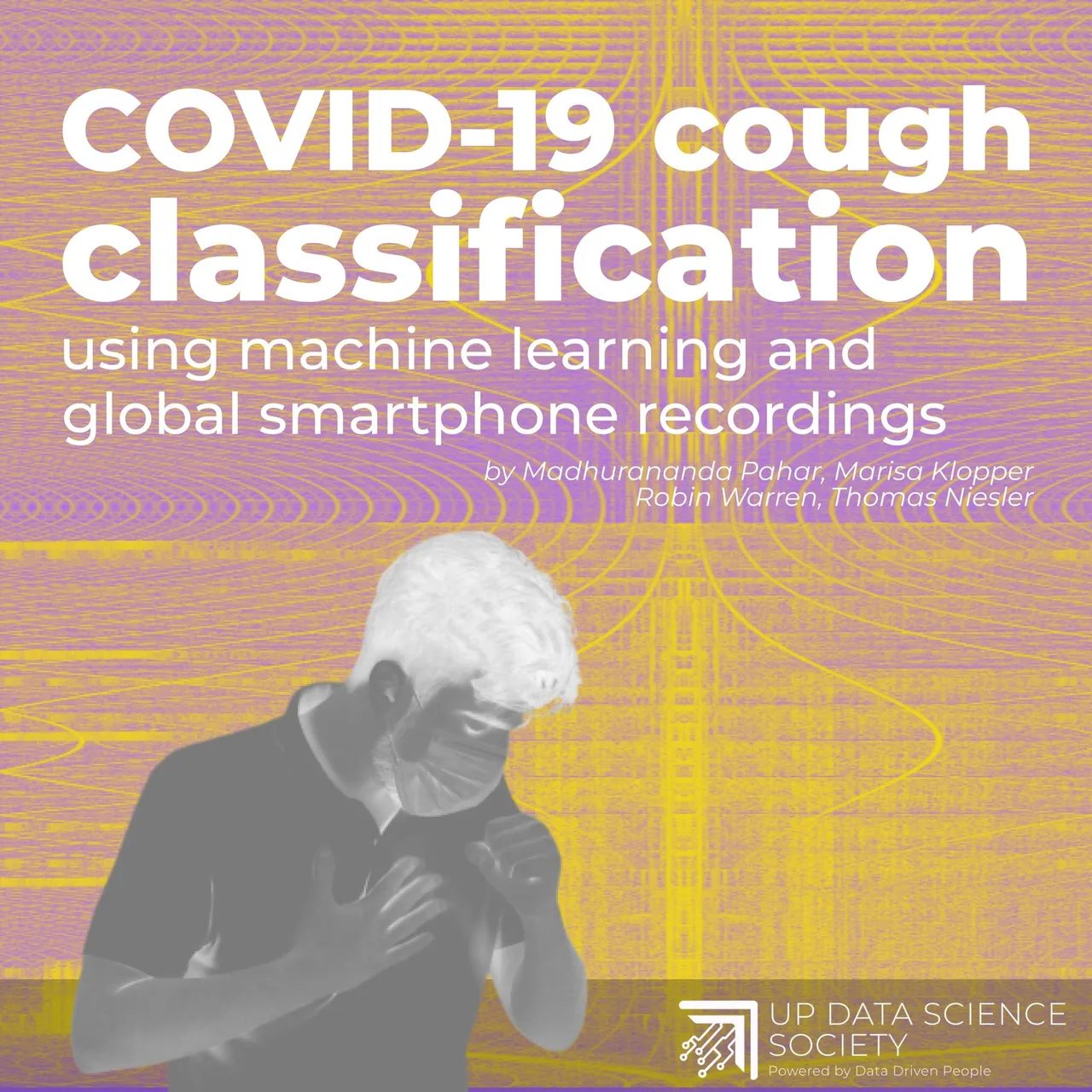
Pahar, Klopper, Warren, and Niesler trained seven classifiers on smartphone cough recordings. A Resnet50 reached an AUC of 0.98, and an LSTM transferred to a second dataset at 0.94.
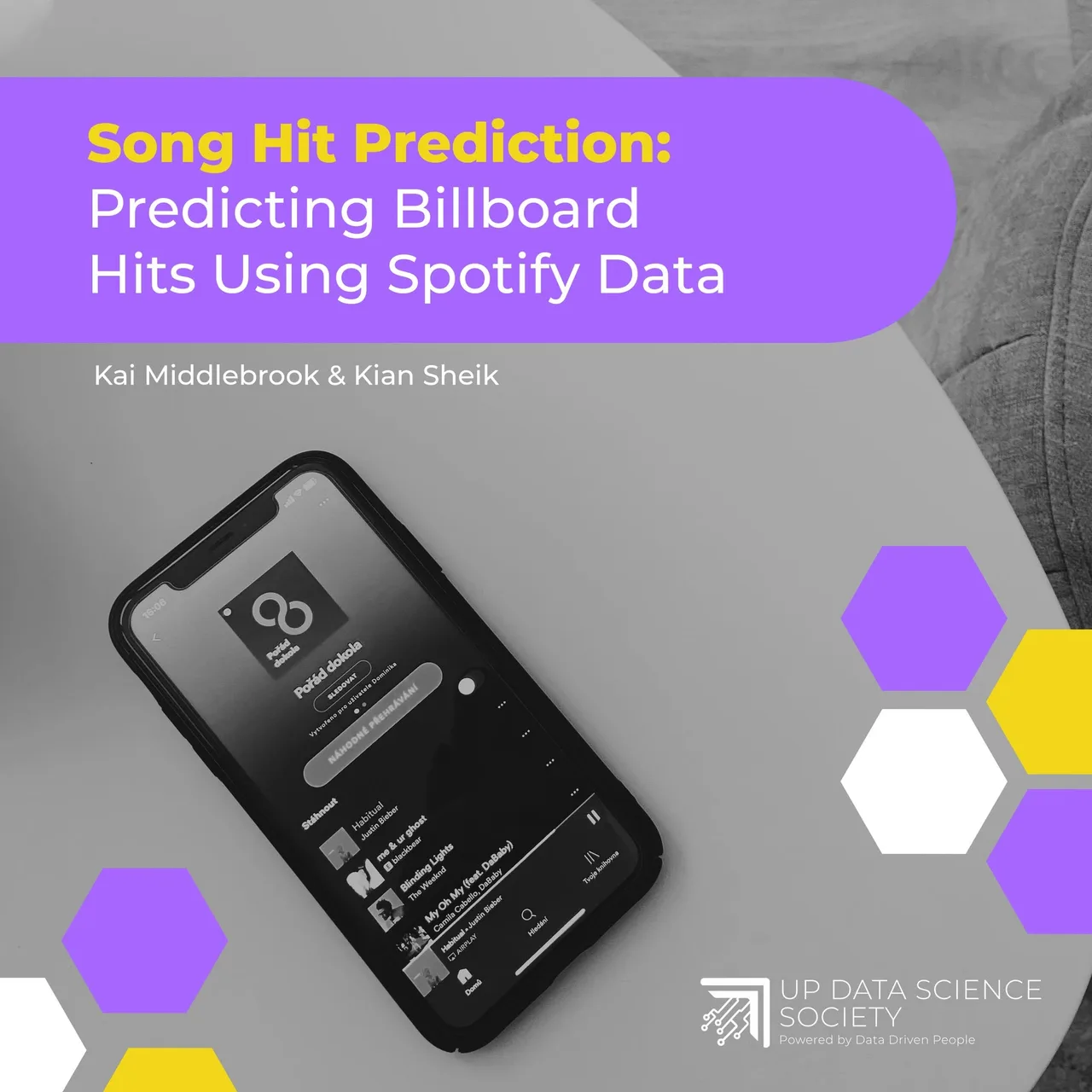
Middlebrook and Sheik merged 1.8 million Spotify tracks with the Billboard Hot 100 and trained four models to tell hits from non-hits. Random forest was the most balanced; SVM almost never called a false hit.
Vijh, Chandola, Tikkiwal, and Kumar built six features from ten years of daily prices for five companies and compared a neural network against a random forest at predicting the next day’s close.
A two-stage random forest trained on GDP, population, athlete counts, and health indicators predicted Tokyo 2020 medal totals better than the naive “same as last time” model.
Three University of Pennsylvania students combined Elo ratings with team statistics to predict NBA game outcomes at about 67 percent accuracy.
Magboo and Magboo ran four classifiers under four data configurations on the Wisconsin Prognostic Breast Cancer dataset. Logistic regression came out ahead in most of them.
A Naive Bayes classifier trained on tweets from the first month of the national vaccination rollout found that about 83 percent expressed a positive attitude toward the vaccines.
Filipino researchers recorded the sound of knocking on coconuts and trained three classifiers to sort them by maturity. Random forest did best, at 83 percent on unseen fruit.

A 2021 study combined anonymised phone location data with case counts to build location networks, then trained a model that predicted next week’s outbreak areas with about 90 percent sensitivity.
Carranza and Laborte trained a random forest on 17 known gold-copper deposits in Catanduanes Island and compared it with an earlier evidential belief model of the same ground.
Ian Freed built a topic model over every Taylor Swift lyric from 2006 to 2017 and tracked how the themes shifted from album to album.

Netflix engineers Chris Alvino and Justin Basilico explain how the service went from rule-based row ordering to a learned page layout, and why it matters when 80 percent of viewing comes from recommendations.
Christian Koguchi ran the fifth game 50,000 times in a Monte Carlo simulation. The last player survives 99.99 percent of the time, and about seven of sixteen make it across.
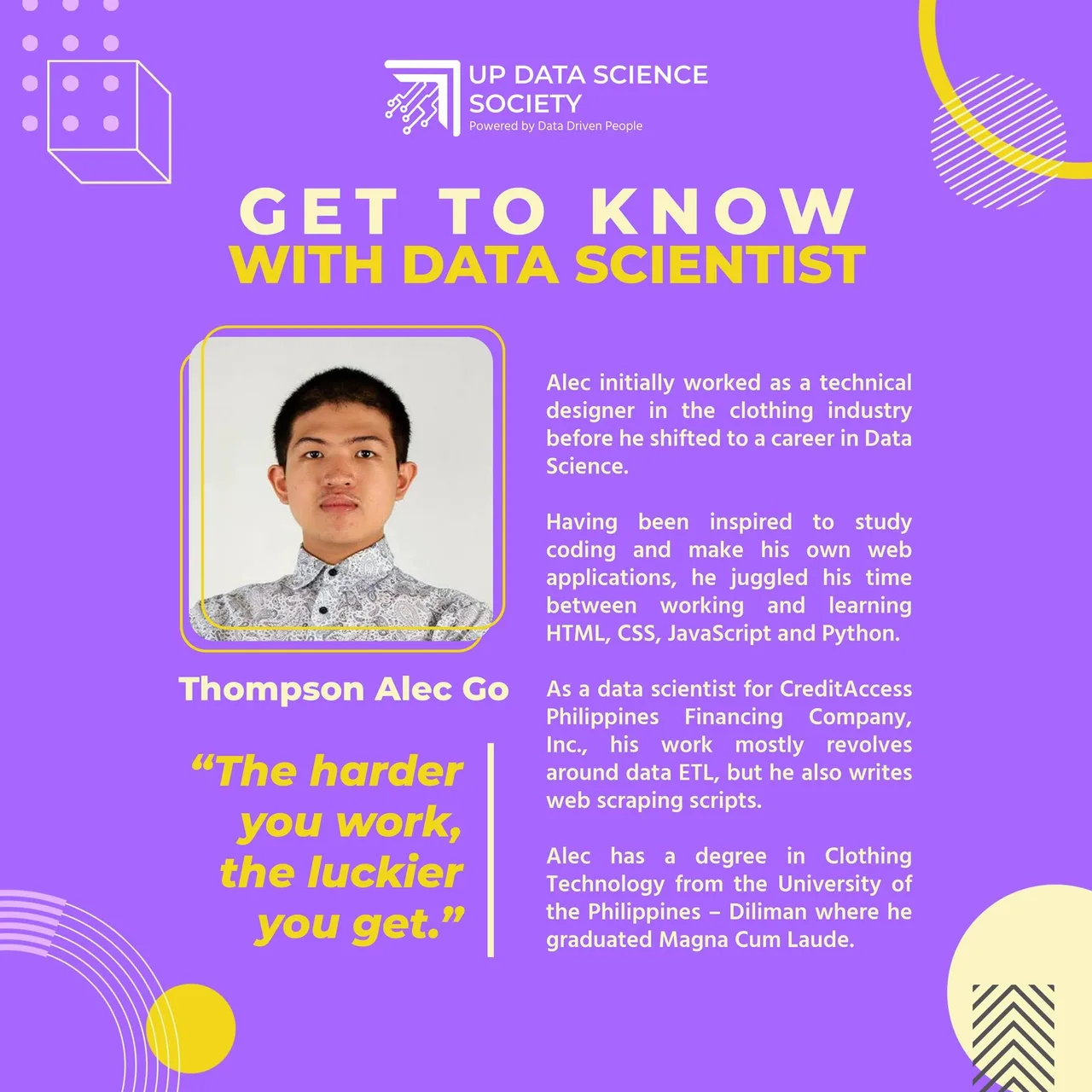
A Clothing Technology graduate who taught himself to code after work and moved from garment design into data science, on what the job actually involves and how to prepare for it.
The three-step process behind a Twitter trend analysis, from collecting tweets to sentiment scoring and mapping, as laid out in a Towards Data Science walkthrough.

What Kaggle offers a beginner, where its courses fall short, and why it is still a reasonable place to start.
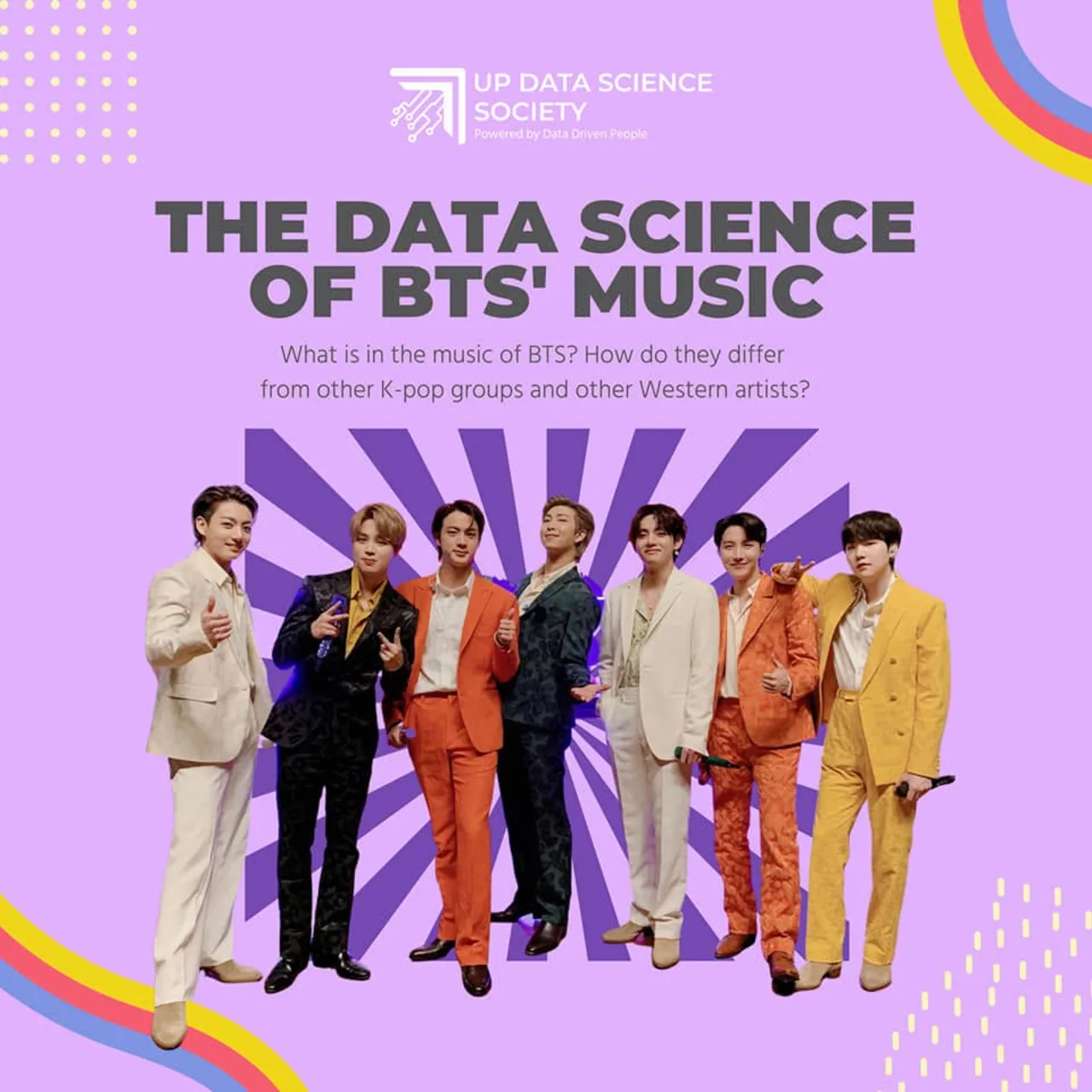
Haebichan Jung pulled audio features for BTS, other K-pop groups, and Western artists to ask what makes the group’s discography different, starting with how widely their tempos range.
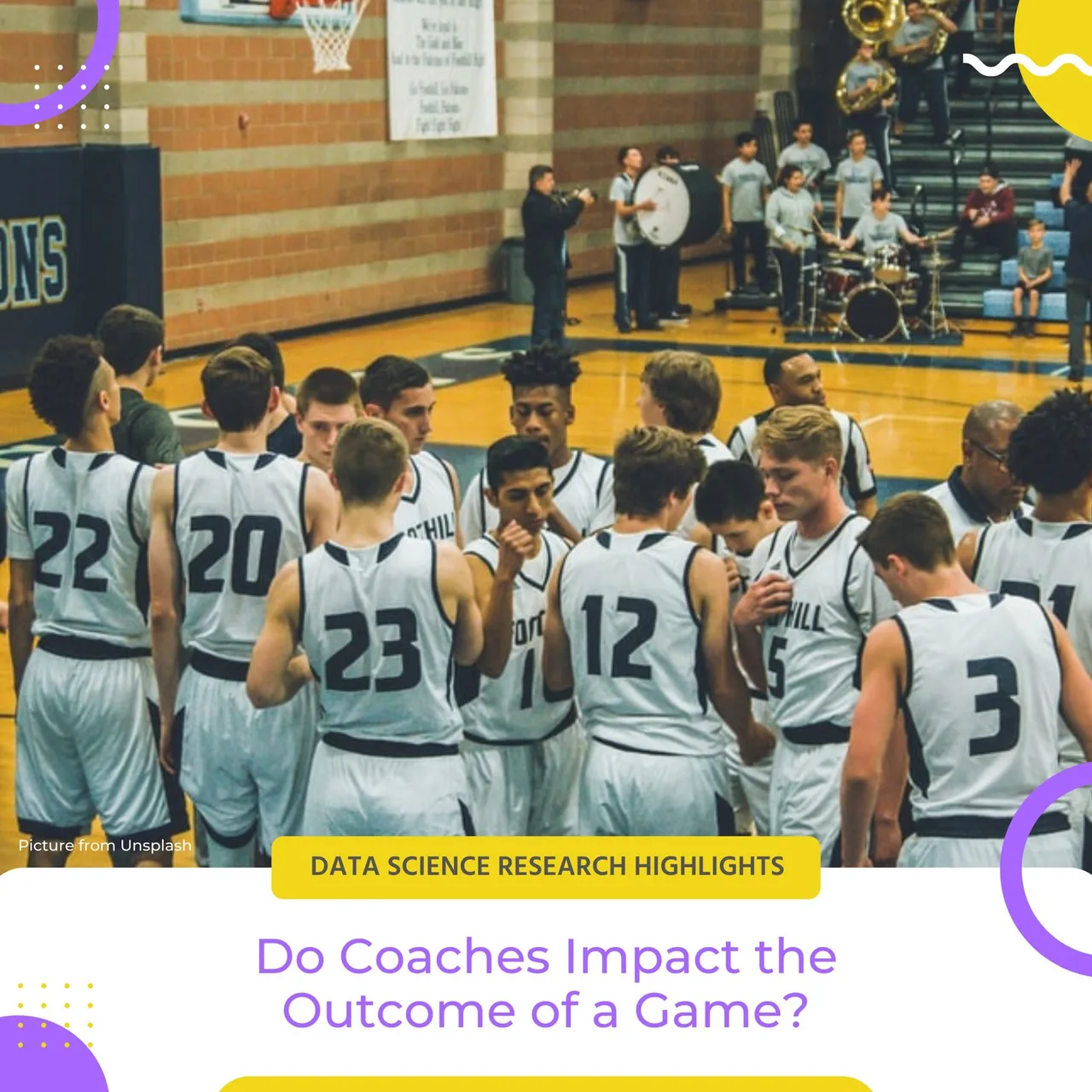
Berry and Fowler used a randomization method across six leagues to ask whether head coaches matter in the aggregate, and found that in basketball they explain about 30 percent of the variation in points.